
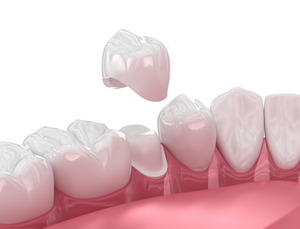
If your dentist has recommended a dental crown, one of the first questions you may have is: Will it hurt? The good news is that modern dental techniques and anesthesia make getting a dental crown a comfortable and routine procedure for most patients. Understanding what to expect can help ease anxiety and make the experience much less intimidating.
What is a Dental Crown?
A dental crown is a custom-made cap placed over a damaged, weakened, or heavily decayed tooth. Crowns restore the tooth’s strength, shape, and appearance while protecting it from further damage. They are commonly used after root canal treatment, large fillings, fractures, or severe wear.
While the idea of dental work may sound uncomfortable, the procedure itself is designed with patient comfort in mind.
During the Procedure: Comfort Comes First
Before preparing your tooth for a crown, your dentist will numb the area using local anesthesia. This ensures you do not feel pain during the procedure. You may notice pressure or vibration while the tooth is shaped, but sharp pain is very unlikely.
The dentist removes a small amount of enamel to make room for the crown and then takes impressions to create a custom restoration. A temporary crown is typically placed to protect your tooth until the permanent one is ready.
Most patients report that the appointment feels similar to getting a standard filling.
After the Appointment: Mild Sensitivity is Normal
Once the numbness wears off, it’s normal to experience mild soreness or tooth sensitivity for a few days. Your gums may feel tender, especially if they were slightly irritated during treatment.
This discomfort is usually manageable with over-the-counter pain relievers and typically fades quickly. Avoiding very hot, cold, or sticky foods while wearing a temporary crown can also help minimize sensitivity.
If discomfort lasts longer than expected or worsens, contacting your dentist is important to rule out bite issues or irritation.
When the Permanent Crown is Placed
The final crown placement appointment is usually even easier. Since minimal tooth preparation is required, anesthesia may not always be necessary. Your dentist will check the fit, color, and bite before permanently bonding the crown in place.
Most patients feel little to no discomfort during this visit.
Getting a dental crown should not be a painful experience. Advances in dentistry prioritize patient comfort at every stage, from numbing techniques to precise crown design. In fact, crowns often relieve pain by protecting damaged teeth and restoring normal function. If you’re feeling nervous, talk openly with your dental team; they can provide comfort options and guidance to ensure your experience is as smooth and stress-free as possible.
About the Author
Dr. Matthew Scarpitti earned his Doctorate of Dental Surgery degree from Creighton University, where he provided dental care while also rotating at the Omaha Correctional Center Ambulatory Dental Center. He was mentored by and continues to study with Dr. Christopher Stanoscheck, a faculty member at Creighton University in the prosthodontics department as well as a member of the prestigious Las Vegas Institute. Today, Dr. Scarpitti stays current in his field through memberships in the American Dental Association and the Florida Dental Association. Need a crown to protect your damaged tooth? We have same-day CEREC crowns available! Just book your appointment online or call (407) 658-1111.